What Is SASE and Why Vendors Differ
Secure Access Service Edge (SASE) delivers networking and security as one cloud platform. It unifies SD-WAN with a Security Service Edge stack: SWG, CASB, ZTNA, and FWaaS.
A provider delivers all of this as one converged service. Not a set of tools stitched together. Its points of presence set latency. Its security stack sets threat coverage. Its management model sets how much work lands on your team.
However, each vendor builds it differently. Some natively, some through acquisition. Research on unified SASE describes its role in securing hybrid workforces and multi-cloud environments.
The nine providers below take different paths to convergence. That is why comparing them beats picking from a ranked list.
The 9 Top SASE Providers in 2026
The 9 providers below represent the field where serious buyers encounter significant market deployments and distinct architectural approaches. Each one takes a different path to converging networking and security, which is exactly why comparing them matters more than picking from a ranked list.
1. Fortinet
Fortinet delivers Unified SASE on a single operating system, tightly integrating its established SD-WAN with cloud-delivered security. The Sunnyvale company was the only vendor in the 2025 Gartner SASE Platforms Magic Quadrant and was also recognised in SD-WAN, SSE, and LAN infrastructure reports.
● Location: Sunnyvale, California
● Founded: 2000
● Services: Secure SD-WAN, Universal ZTNA, SWG,CASB, FWaaS, single-console management
● Key differentiators: Single-OS convergence;strong SD-WAN heritage; unified policy for existing FortiGate firewall users
Fortinet fits branch-heavy enterprises modernizing both networking and security, especially teams already standardized on its firewalls. For a broader context on how it approaches modern threats, see our definitive guide to understanding notorious cyber hacks.
G2 Reviews & Ratings:

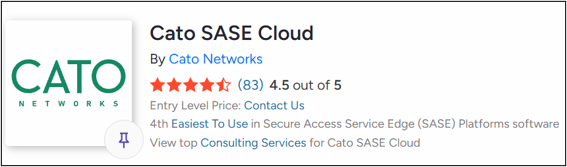
2. Cato Networks
Cato Networks is a cloud-native SASE pioneer that built its platform as one converged service from day one. Founded in 2015 by Check Point co-founder Shlomo Kramer, the Tel Aviv company runs a private global backbone spanning more than 70 points of presence across 150-plus countries.
● Location: Tel Aviv, Israel
● Founded: 2015
● Services: SD-WAN, ZTNA, SWG, CASB, FWaaS, single-pass cloud inspection
● Key differentiators: Fully converged single-vendor platform; private backbone that reducespublic Internet latency; simple, automated policy management
Cato suits organizations that want one platform and one console instead of integrating multiple products. Their additions for securing enterprise AI workloads signal a push well beyond core connectivity.
G2 Reviews & Ratings:
3. Zscaler
Zscaler is a security-led provider whose Zero Trust Exchange is among the most widely deployed SSE platforms. The San Jose company splits delivery between Zscaler Internet Access for outbound traffic and Zscaler Private Access for ZTNA.
● Location: San Jose, California
● Founded: 2007
● Services: SWG, CASB, FWaaS, DLP, ZTNA, threat prevention, Zero Trust SD-WAN
● Key differentiators: Proxy-based zero-trust architecture; massive cloud scale; deepinspection of encrypted traffic
Zscaler works well for cloud-first organizations that prioritize zero trust and are comfortable leading with security before networking.
G2 Reviews & Ratings:

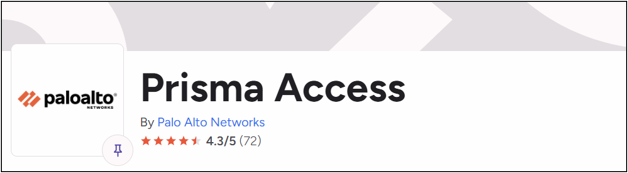
4. Palo Alto Networks (Prisma SASE)
Palo Alto Networks delivers SASE through Prisma Access, pairing its security engine with SD-WAN. The Santa Clara company applies single-pass inspection across application, user, content, and threat identity.
Location: Santa Clara, California
● Location: Santa Clara, California
● Founded: 2005
● Services: Prisma Access (ZTNA, SWG, CASB), SD-WAN, WildFire threat intelligence
● Key differentiators: WildFire sandboxing for zero-day malware; unified policy with existingPA-Series firewalls; high-bandwidth service connections for complex routing
Prisma SASE appeals to enterprises already invested in Palo Alto firewalls that want consistent policy from headquarters to the cloud.
G2 Reviews & Ratings:
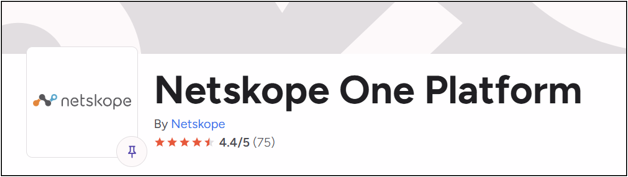
5. Netskope
Netskope is a security-led SASE provider known for granular data and cloud-application control. The Santa Clara company combines an SSE core with SD-WAN to deliver unified visibility across apps, data, and traffic.
● Location: Santa Clara, California
● Founded: 2012
● Services: CASB, SWG, ZTNA, DLP, SD-WAN, cloud-application visibility
● Key differentiators: Deep inline CASB and data protection; strong policy control acrossSaaS; cloud-native inspection
Netskope is a strong option for data-sensitive organizations that prioritize SaaS visibility and DLP, though smaller teams should weigh pricing and complexity.
G2 Reviews & Ratings:
6. Cisco
Cisco brings decades of networking dominance to SASE, integrating Catalyst and Meraki SD-WAN with Cisco Secure Access. The platform leans on a vast installed base and broad partner ecosystem.
● Location: San Jose, California
● Founded: 1984
● Services: SD-WAN, ZTNA, SWG, CASB, DNS-layer security, FWaaS
● Key differentiators: Deep networking heritage; tight integration with existing Ciscoinfrastructure; flexible single- or dual-vendor paths
Cisco suits enterprises already standardized on its networking stack that prefer to extend, rather than replace, their incumbent vendor.
G2 Reviews & Ratings:

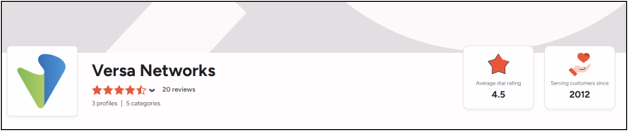
7. Versa Networks
Versa Networks is a single-vendor SASE provider with deep SD-WAN roots and extensive customization. The San Jose company is recognized in Gartner SASE evaluations for breadth of capability.
● Location: San Jose, California
● Founded: 2012
● Services: Secure SD-WAN, SSE, ZTNA, SWG, CASB, FWaaS, network segmentation
● Key differentiators: Highly customizable; local traffic processing for low latency; strongmulti-cloud and hybrid support
Versa fits organizations with networking expertise that want granular control and flexible deployment, including managed options through service-provider partners.
G2 Reviews & Ratings:
8. Cloudflare
Cloudflare delivers SASE through Cloudflare One, layering security onto one of the world's largest edge networks. Magic WAN replaces traditional WAN with cloud-native routing across its global infrastructure.
● Location: San Francisco, California
● Founded: 2009
● Services: ZTNA, SWG, CASB, DLP, Magic WAN, DDoS protection, FWaaS
● Key differentiators: Enormous global edge footprint; fast onboarding; strong performanceand DDoS heritage
Cloudflare is compelling for digitally native and performance-sensitive organizations that value speed and a developer-friendly platform.
G2 Reviews & Ratings:
9. Aryaka
Aryaka offers Unified SASE as a Service with a fully managed delivery model. Founded in 2009, the Santa Clara company combines its own SD-WAN backbone with integrated security and white-glove operations.
● Location: Santa Clara, California
● Founded: 2009
● Services: Managed SD-WAN, SSE, ZTNA, FWaaS, application acceleration
● Key differentiators: Fully managed service; private core network; strong fit for globalconnectivity and SaaS acceleration
Aryaka is well-suited to lean IT teams that want SASE outcomes without operating the platform themselves. Sound identity hygiene, including password and credential management, underpins any managed zero-trust rollout.
G2 Reviews & Ratings:
Best SASE Providers Compared at a Glance
The table below summarizes all nine providers by platform model, heritage, and Gartner Peer Insights ratings where publicly visible.
Ratings are indicative and drawn from publicly visible Gartner Peer Insights listings; confirm current scores before procurement.
Single-Vendor vs. Multi-Vendor SASE
Single-vendor SASE delivers networking and security from one provider through a unified platform. At the same time, multi-vendor (dual-vendor) SASE pairs a best-of-breed SD-WAN with a separate Security Service Edge. The choice is the most consequential decision in any SASE evaluation, and it is where the market is clearly tilting toward consolidation.
Single-vendor platforms such as Cato, Fortinet, and Versa reduce console sprawl and simplify policy. Multi-vendor approaches let teams combine, for example, a preferred SD-WAN with a specialized SSE like Zscaler or Netskope, trading simplicity for depth.
Organizations with limited security staff usually lean toward a single vendor; those with strong in-house expertise and specific best-of-breed needs often prefer a multi-vendor.
Latest SASE Trends Shaping Vendor Choice
Beyond the core feature set, several market shifts are reshaping which providers look strongest in 2026. Reading them correctly helps separate vendors that are genuinely moving with the market from those simply rebranding existing products.
● AI moves from feature toproduct line. Providers now sell dedicated protectionfor enterprise AI use and agentic activity as a headline offering rather than acheckbox, and that is redrawing how vendors differentiate themselves.
● Consolidation throughacquisition. The field keeps tightening as networkingvendors buy security and security vendors buy networking, each racing to callitself a complete platform, which reshapes who is genuinely credible end toend.
● The camps are blurring. Security-led players are bolting on SD-WAN while networking incumbentsadd cloud security, so the old single-vendor-versus-SSE line is harder to readfrom a data sheet than it used to be.
● Managed delivery goesmainstream. Co-managed and fully managed delivery isexpanding fast through service-provider partners, widening the field for teamsthat want the outcome without operating the platform.
● Pricing shifts toward all-inbundles. Vendors are moving from à la carte modulestoward single-platform licenses, which changes how buyers should weigh oneprovider’s “included” features against another’s.
Taken together, these shifts reward providers that can show real convergence and momentum rather than a repackaged point product.
AI is reshaping the threat side too, which is why comparing vendors on AI-era defense matters as much as comparing them on convergence.
How to Match a SASE Provider to Your Environment
There is no single best SASE provider, only the one whose strengths line up with how your organisation actually runs.
That match depends on three things: where your users and applications sit, how heavily you rely on the cloud, and how much of the platform your team can operate day-to-day.
A few patterns hold:
● Branch-heavy enterprisesmodernising connectivity gravitate to network-led platforms with strong SD-WANheritage, like Fortinet, Cisco, or Versa.
● Cloud-first organisations leadingwith zero trust lean toward security-led platforms like Zscaler, Netskope, orCloudflare.
● Lean IT teams are well served by amanaged option like Aryaka or a tightly converged platform like Cato.
● Teams with deep in-house expertisemay want the granular control that Versa or a paired best-of-breed setupoffers.
Once the field is down to a few names, pressure-test them against your own traffic before signing anything: a short proof of concept across representative sites surfaces differences a data sheet never will.
For a structured way to score the finalists side by side, work through a guide to evaluating SASE vendors rather than reinventing the process here, and a crowded market quickly narrows to two or three genuine contenders the network and security teams can stand behind.
FAQs
What is the difference between SASE and SSE?
SASE combines networking and security in a single cloud platform, while SSE focuses only on security services such as SWG, CASB, and ZTNA. SSE is often adopted as the first step toward a full SASE deployment.
Is single-vendor SASE better than multi-vendor SASE?
Single-vendor SASE simplifies management and reduces operational overhead. Multi-vendor SASE offers greater flexibility and specialized capabilities but requires more integration effort.
How much does a SASE solution cost?
Pricing depends on factors such as users, locations, bandwidth, and security services. Evaluate vendors based on total cost of ownership rather than headline licensing costs alone.
Which SASE provider is best for small businesses?
Small businesses often benefit from cloud-native or managed SASE platforms that reduce administrative burden. The right choice depends on budget, IT resources, and growth plans.
Do I need SD-WAN before adopting SASE?
No. Organizations can start with SSE and add SD-WAN later, or deploy a full SASE platform from the beginning. Existing SD-WAN deployments can usually be integrated into a SASE strategy.

Featured articles
Explore the cutting-edge of network and security: Dive into our featured articles, packed with expert insights and practical tips